Starting from a blank spreadsheet
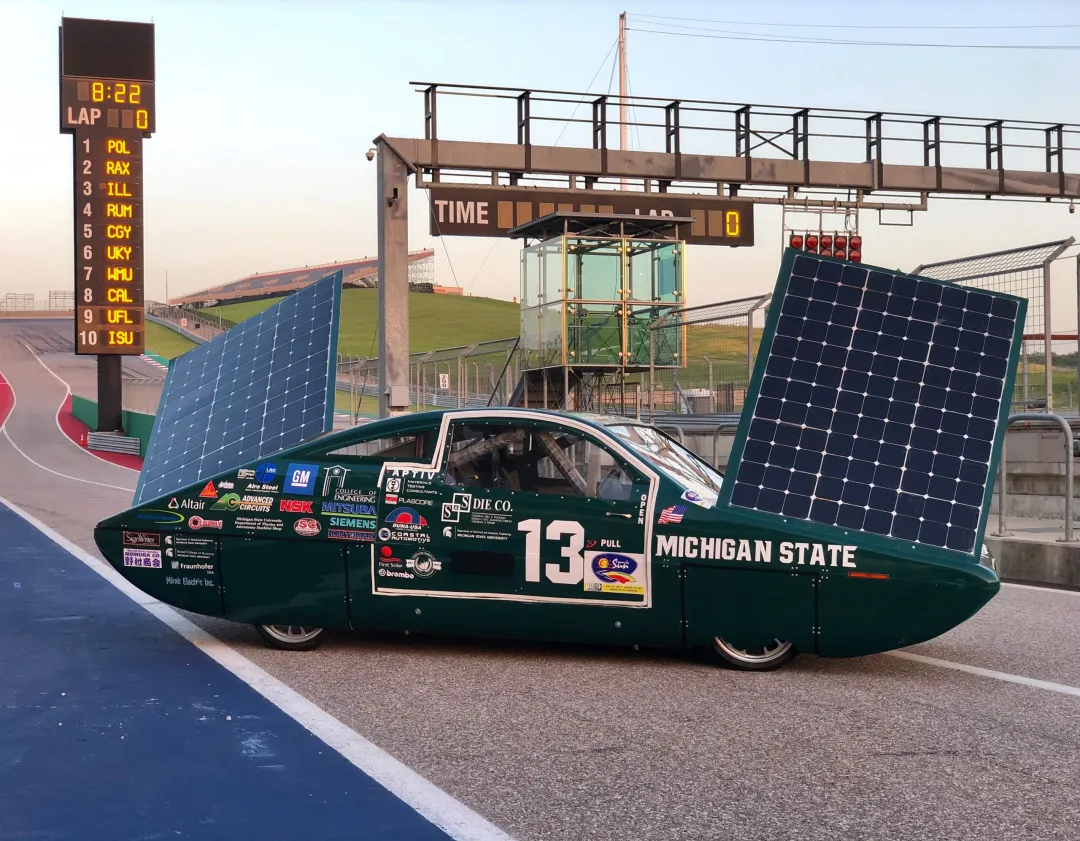
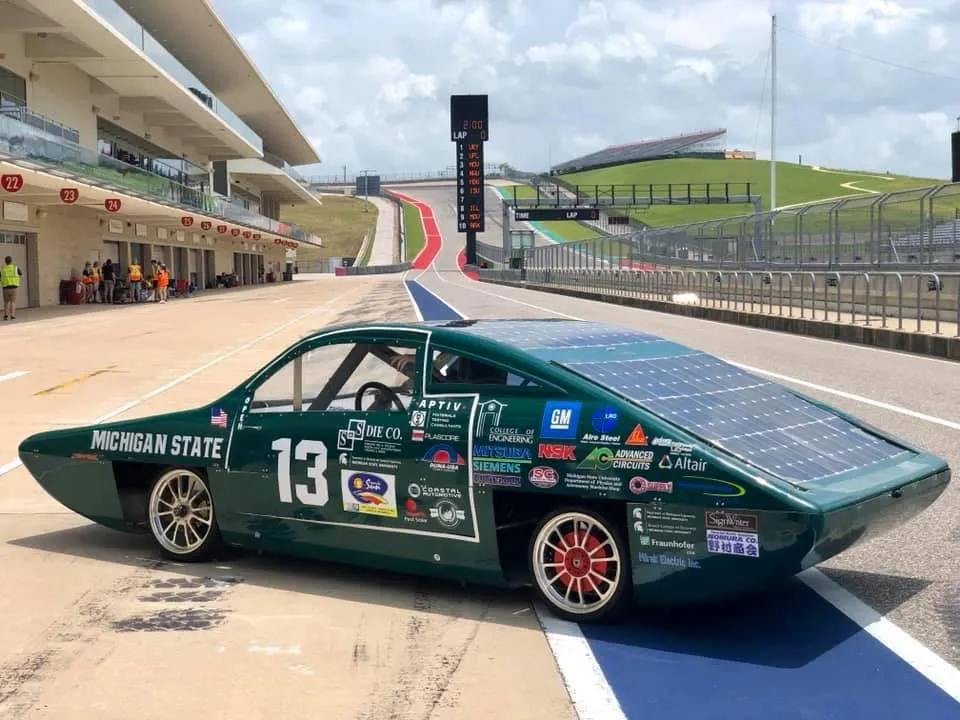
Aside from a parking brake caliper and some brake lines, there wasn’t many leftover resources when this project began in 2017. There was no prior brake lead, reference design or validation data. I built my approach from textbooks and from conversations with the FSAE and Baja teams on campus, studying how other vehicles size their components. Because we had no data to correlate against, I had to get the stopping-distance predictions right before the car ever ran.
Deep dive: the math that dictated the design
I built the calculations in Excel as a chain, each link feeding the next:
1. Pedal force to line pressure
2. Line pressure to clamp force
3. Clamp force to brake torque
4. Brake torque to deceleration: limited by tire grip and by how much load each axle carries under braking.
The last step is where vehicle dynamics shows up. Under braking, weight transfers forward by
where is the vehicle mass, the deceleration, the center-of-gravity height and the wheelbase. The front axle carries more load and can do more of the work. I used the CG height, tire grip and pitch behavior to estimate achievable deceleration and stopping distance. The same load-transfer picture put the optimal front/rear brake bias at roughly 60/40.
Deep dive: braking without a booster
The vehicle had no brake booster, so every newton at the caliper had to come from the driver’s foot. I wanted light pedal effort, so I sized the pedal ratio to keep driver input low. The tradeoff is that a larger ratio needs a longer pedal arm and more travel.
This is also where I made my biggest design mistake. The pedal I designed was oversized and didn’t package well in the vehicle. I got the pedal effort I wanted but didn’t give enough weight to the space the pedal had to live in. That experience taught me to treat packaging as a design constraint from the start.
Design, validation and build
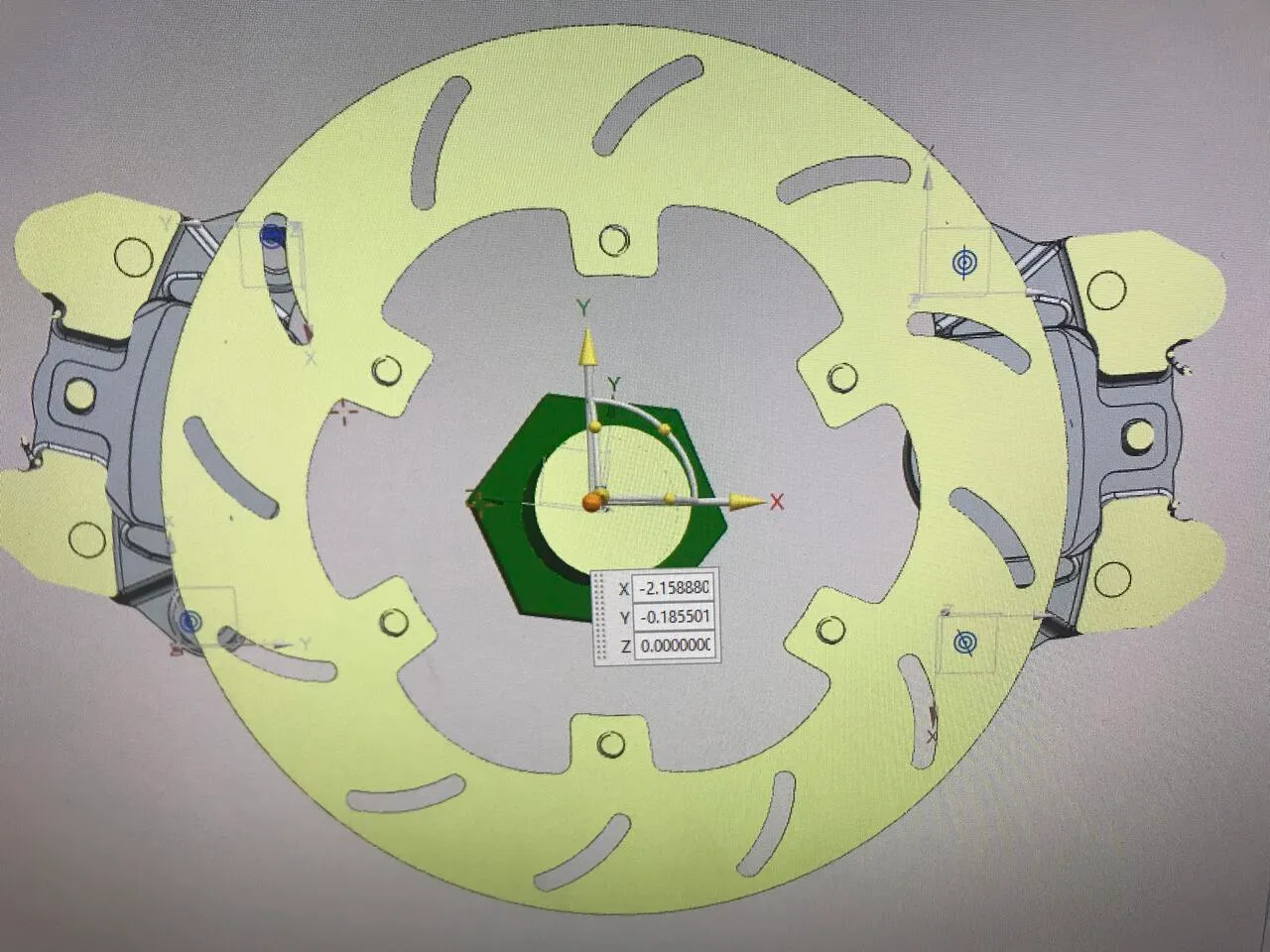
I developed the braking components in Siemens NX and used ANSYS FEA to check that they met structural requirements. Before spending money on material or rotors, I 3D-printed prototypes and fit-checked them against the full vehicle assembly. That caught problems while they were still cheap to fix.
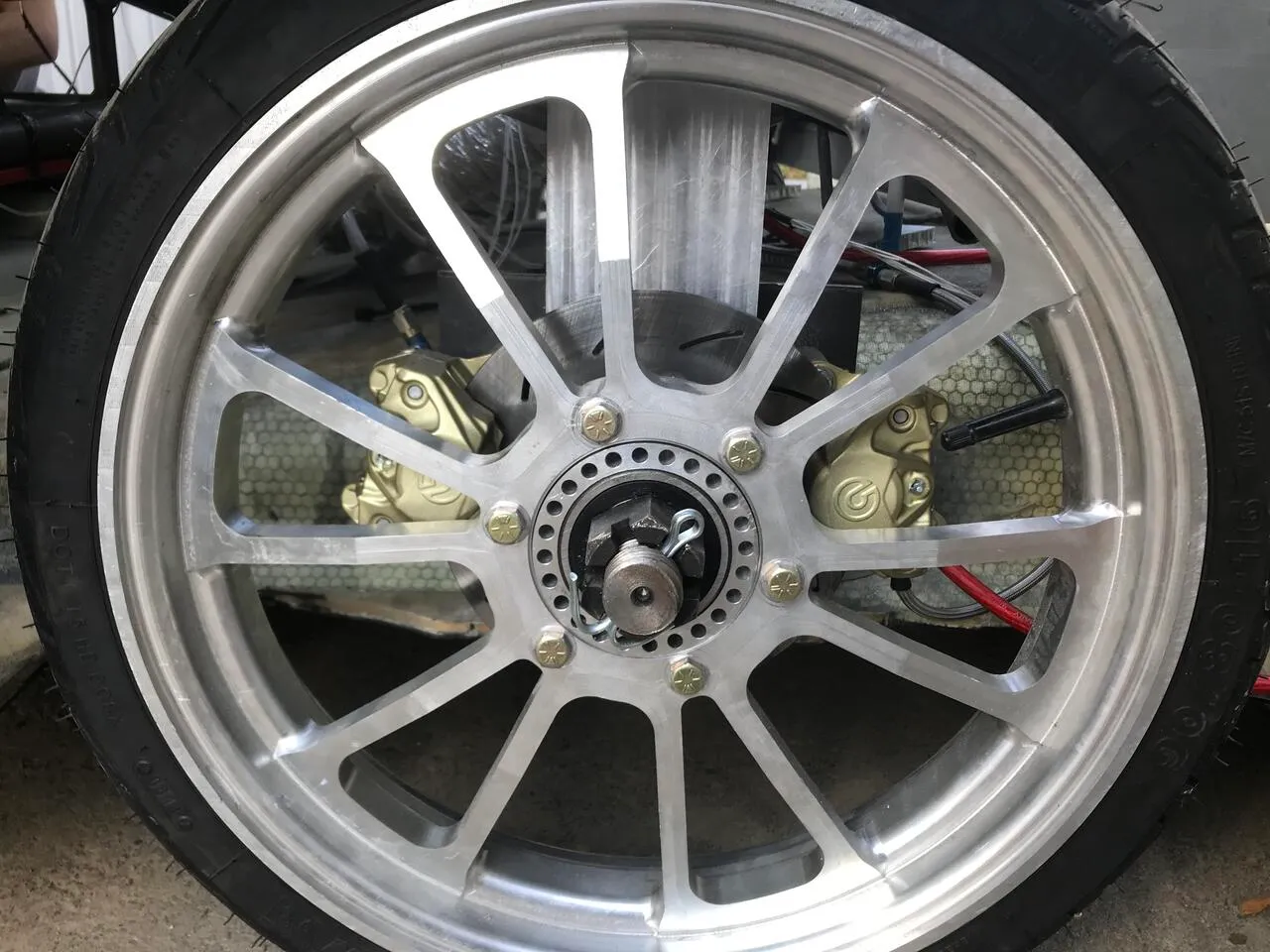
The team’s brake budget was about $750, so I put it toward new brake lines, rotors and raw material for the mounts. Brembo sponsored the team and supplied our calipers. I machined the caliper mounts with help from teammates. The parking brake used hydraulic hardware from a previous vehicle, and it’s the part of the system I’d like have been able to revisit.
Deep dive: first steps toward regenerative braking
I worked with teammates on controls to integrate regenerative braking. We added a potentiometer to the brake pedal to enable a small amount of open-loop regen. We tried to map regen torque to my estimated friction braking torque at each axle so the total felt predictable to the driver. The integration was limited, but it showed me how much regen blending depends on matching torque at each axle.
Validation
Stopping distance was our primary validation metric. Heat wasn’t a major concern given the efficient driving style of a solar car. Nobody complained that the pedal was hard to press, which I took as a good sign. I couldn’t attend the competition at COTA, but I was told the system passed with flying colors.
What I’d do differently
Use simulation earlier. Chassis simulation tools existed then, but I stayed with Excel because I knew it. Today I’d invest the time to learn them, and they’d have given me more confidence before the first test. I also would have put more emphasis on mass optimization. I focused on braking capability and probably sacrificed some efficiency, which matters a lot for a solar vehicle. One thing I did right: Kept the driver in mind. Designing for pedal effort and ease of use was the right call. That focus on driver experience is a big part of the drivability work I do today.
This project was my first real exposure to load transfer, tire grip and driver feel as design inputs. They’re the same things that pull me toward vehicle dynamics today.